Friction zone
'Taking measures' series
(2025)
Creative process | Walking art | Photograph | Video | Drawing | Sound
Project supported by Walking Art Lab and held in the Azerbaijan-Georgia border.
WAL is an experimental research platform dedicated to walking practices through critical spatial thinking and questioning the boundaries between theory and practice.
\
EN | PT
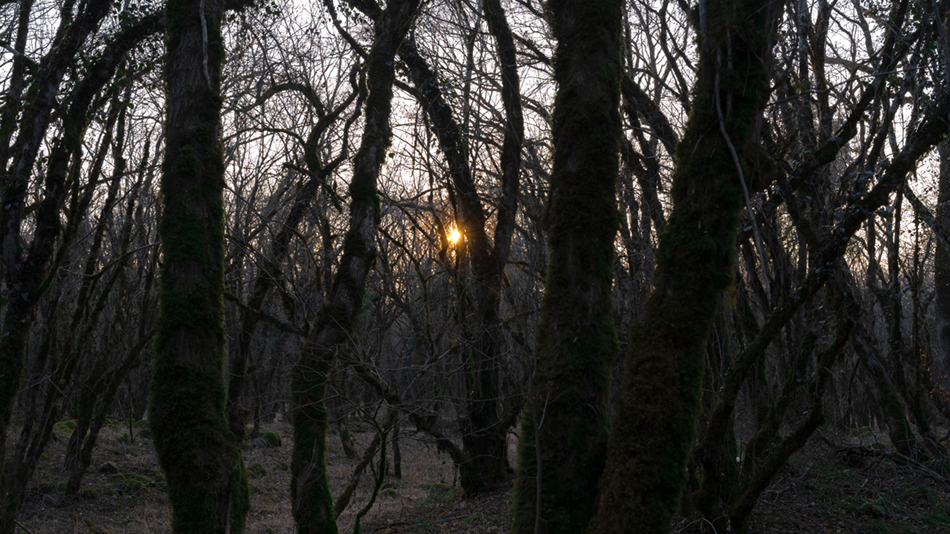
Friction zone | 2025
Fieldwork documentation | photograph
In the damp mist of Lagodekhi, beneath the canopy of Georgia’s oldest forest, a river etches the border like a stylus on the skin of the earth. The Matsimis Tskali - a watercourse that is both wound and suture - carves its path between roots and geopolitics, while the trail, obediently, traces its contour. Here, nature is not landscape but a living archive: each stone, a record; each shadow, a code deciphered only by the soldiers guarding the boundary.
To walk here is to negotiate with the State. Midway, a military checkpoint emerges like an absurd ready-made: passports are displayed, names logged in green-covered notebooks, and the traveler’s body becomes biometric data. Cameras dangle from trunks like metallic fruit, capturing movement and converting it into algorithms of suspicion. The forest is no longer sublime - it is a surveillance system where branches bend into angles of monitoring.
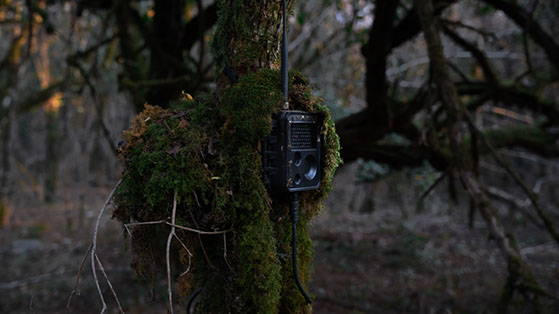
Monitoring camera on the forest trail between Georgia and Azerbaijan | Lagodheki, 2025.
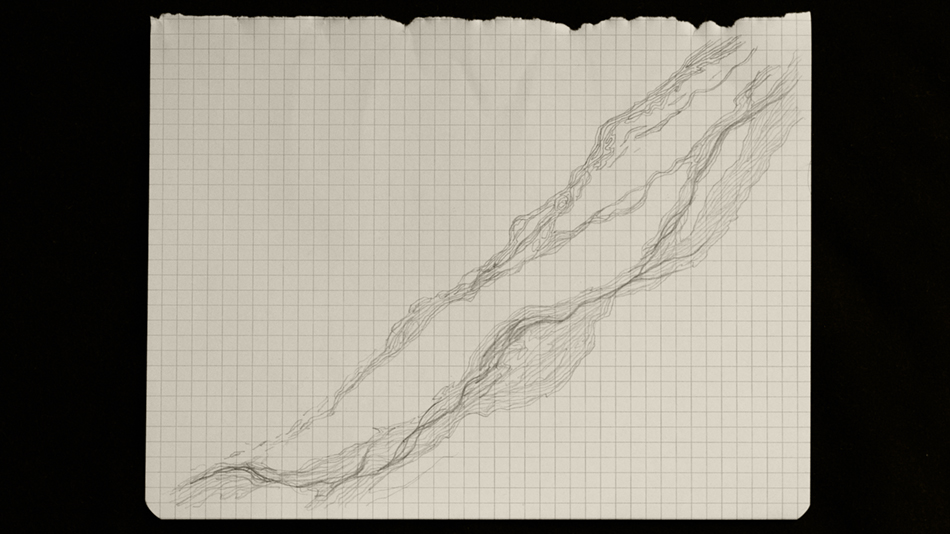
Drawing depicting the natural border - the course of the Matsima Tskali River.
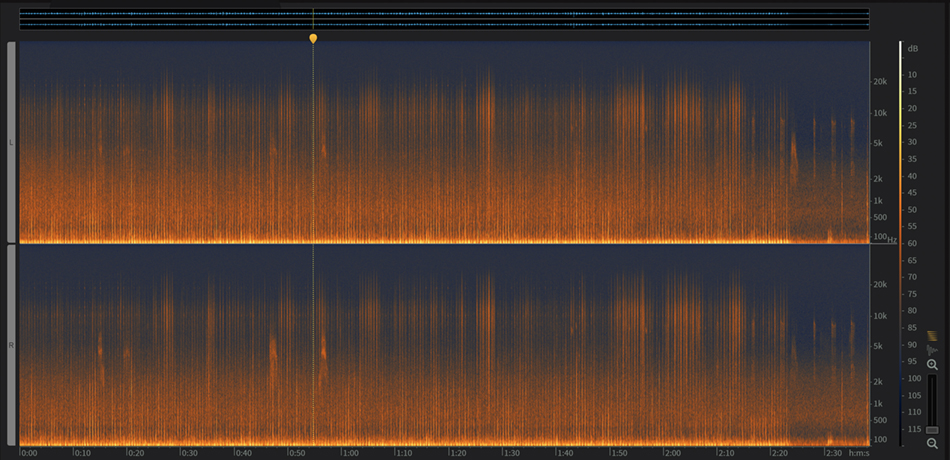
Recorders harvest the whisper of water mingling with the crackle of satellite antennas; sketches in soft notebooks document the tension between foliage and barbed wire fences; photographs freeze the moment a bird crosses the border without documents. The GPS, meanwhile, traces broken lines in the air - speculative geographies where the river is simultaneously map and trap.
What emerges from this obstinate documentation?
A choreography of control, of course, but also a palimpsest of absences: the bear’s trail avoiding cameras, the echo of Azeri conversations erased by wind, the silence of stamped passports that will never return. The trail, after all, is not a path - it is an open question about how far art can infiltrate the cracks of power without being swallowed by the same bureaucracy that regulates the trees.
Taking Measures is an ongoing project in the Greater Caucasus Mountains that deals with practices of walking and measuring, as well as the political potential for power and resistance that results from these practices.
Field recording along the trail | Azerbaijan-Georgia border, 2025.
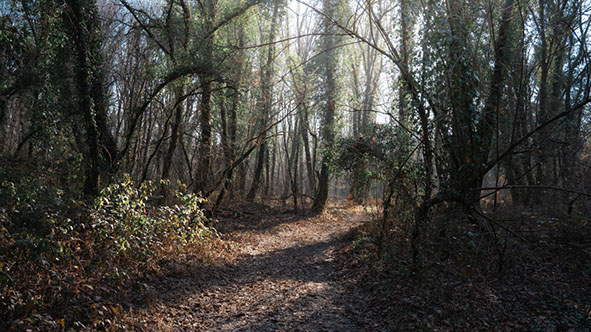
Fieldwork documentation | photograph | Fortress Machi trail, 2025
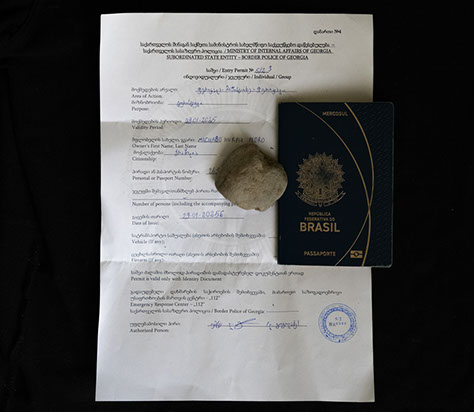
Authorization granted at the military checkpoint | Lagodheki, 2025
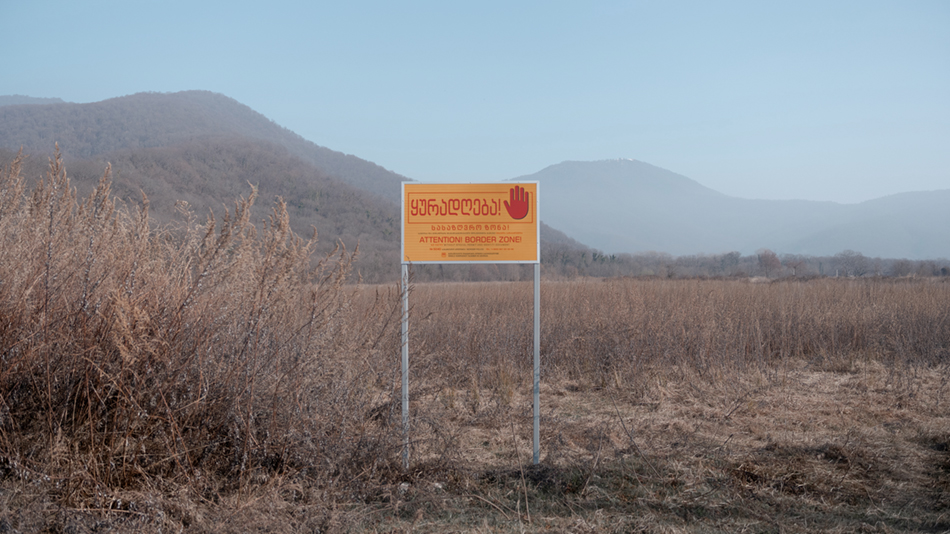
Warning sign not to cross the border area | Azerbaijan-Georgia border, 2025
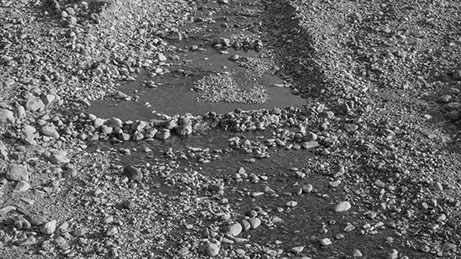
Fieldwork documentation | photograph Lagodheki, 2025
Notebook of Hypotheses for an Ecology of the Border
or On that which crosses without a passport
It is not only bodies with documents that move through this forest. There is a ‘more ancient migration’, older than military checkpoints, older than the very idea of Georgia and Azerbaijan.
- Seeds of Carpinus betulus — the common hornbeam — fall on one side of the river and germinate on the other, where the soil is acidic and the patrol pays no attention to seedlings.
- Quartz pebbles, chipped by the current, roll toward the Azerbaijani side during the May floods; no soldier interrogates them.
- Pollen from Pinus sylvestris, light as a lie, crosses the border every spring without ever showing identification.
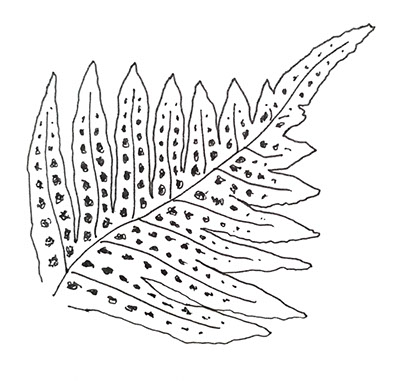
- Fern spores [image on the left], invisible to the naked eye, settle on fallen logs on the Georgian side — and there ‘make their home’, like refugees without a tongue.
- Even the wind, that perpetual migrant, carries fragments of moss and insect larvae that completely ignore the surveillance cameras.
What happens, then, when ‘flora crosses the line’ that human fauna insists on calling a border?
The military post, trained to intercept smuggling and fake passports, does not know how to recognize a botanical invasion. The cameras record the movement of branches, but cannot distinguish between a branch that ‘is’ and a branch that ‘becomes’ a citizen on the other side.
Taking Measures is an ongoing project in the Greater Caucasus Mountains that deals with practices of walking and measuring, as well as the political potential for power and resistance that results from these practices.